

Building the Evidence Base for Nature Projects to Enhance Agricultural Resilience
This platform is a central hub for evidence on the value and benefits of integrating nature recovery with productive agriculture, based on studies in the Upper Paranapanema Basin.
This platform is underpinned by world-leading research from the Center for Studies in Spatial Ecology and Sustainable Development (NEEDS) at the Federal University of São Carlos (UFSCar).
The platform has been developed through the
Farming for a Nature Positive Futureinitiative.
Why is this region so significant?
The Upper Paranapanema Basin is a major farming region where agriculture contributes close to a quarter of the Basin's GDP.
Farmers face a variety of challenges including:
- pressure to increase productivity, driving land-use intensification
- increasing competition for limited water resources
- climate change disrupting crop cycles and threatening future yields
- increasing expectations of regulatory compliance with environmental laws
The region is also one of Brazil’s most important landscapes for biodiversity and water security supporting many endangered species.
Nature-based projects can strengthen farm resilience while protecting rivers, soils and pollinators.
With the right support, the basin could become a scaleable model for integrating productive agriculture and nature across Brazil and beyond, contributing to the
Government's plans to recover native vegetation.
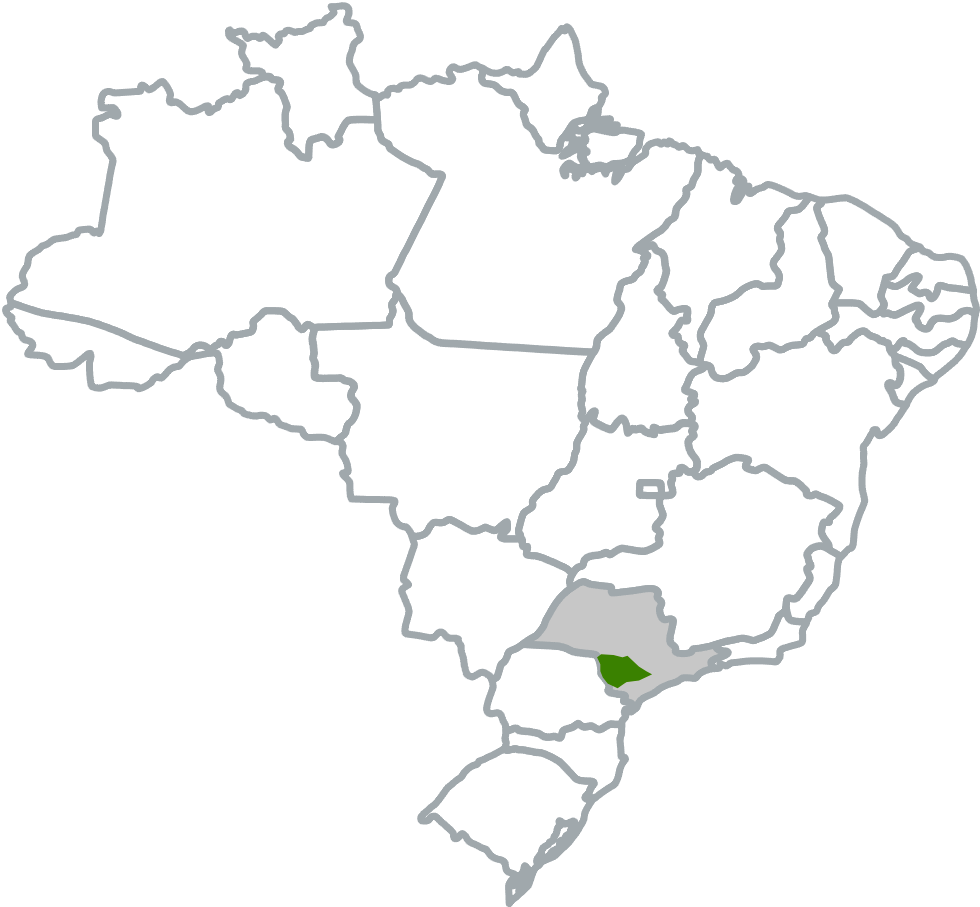
The data platform is built on research that is relevant to the Upper Paranapanema Basin, a 22,500 km² watershed located in the state of São Paulo, in Brazil.
Data platform structure
The data platform synthesises research and evidence relating to the following themes. Click on the links to explore each theme in more detail.

Socio-economic context
The Upper Paranapanema Basin is a largely rural region where agriculture drives the economy, but many municipalities face social and economic challenges compared to the rest of São Paulo State.

Environmental status
The Upper Paranapanema Basin contains significant remnants of Atlantic Forest alongside degraded agricultural landscapes facing erosion, water stress and biodiversity decline, making it an ecologically valuable but environmentally threatened region.
Nature and farming
Projects that integrate nature with farmer can support local priorities such as securing water availability, supporting crop pollination, and conserving threatened species. The Upper Paranapanema Basin provides an opportunity to demonstrate a strategic approach to landscape restoration that benefits farmers, communities and nature.

Research summaries
Research summaries provide concise overviews of specific scientific studies, distilling key methodologies, findings, and conclusions.
Interactive map
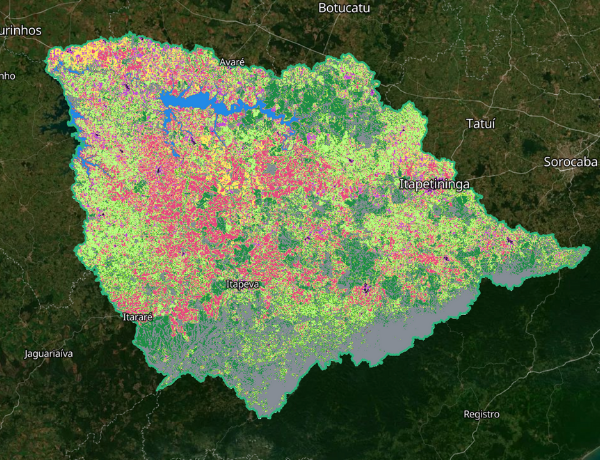
An interactive map allows users to explore spatial data from the region through overlaying information layers that can be switched on and off to show different environmental and geographic features.
Platform design and development
This platform has been designed by Wheatley Young Partners based on research developed by the NEEDS team at UFSCar.

Wheatley Young Partners has experience in translating scientific evidence into practical investment and delivery frameworks. This expertise can be used to design approaches that help landholders meet Forest Code obligations while maximising environmental outcomes and providing credibility and confidence for both public and private investors.
The Federal University of São Carlos (UFSCar), through its Lagoa do Sino campus, operates as a centre of excellence for applied research in sustainable agriculture, restoration ecology, biodiversity conservation, and land-use in the Upper Paranapanema Basin. UFSCar’s research spans biodiversity patterns, land-use change, agricultural systems, ecosystem services, and governance mechanisms.
The Núcleo de Estudos e Extensão em Desenvolvimento Sustentável (NEEDS) team brings extensive local knowledge and established farmer networks across the basin, enabling effective engagement and practical implementation of research findings on working farms